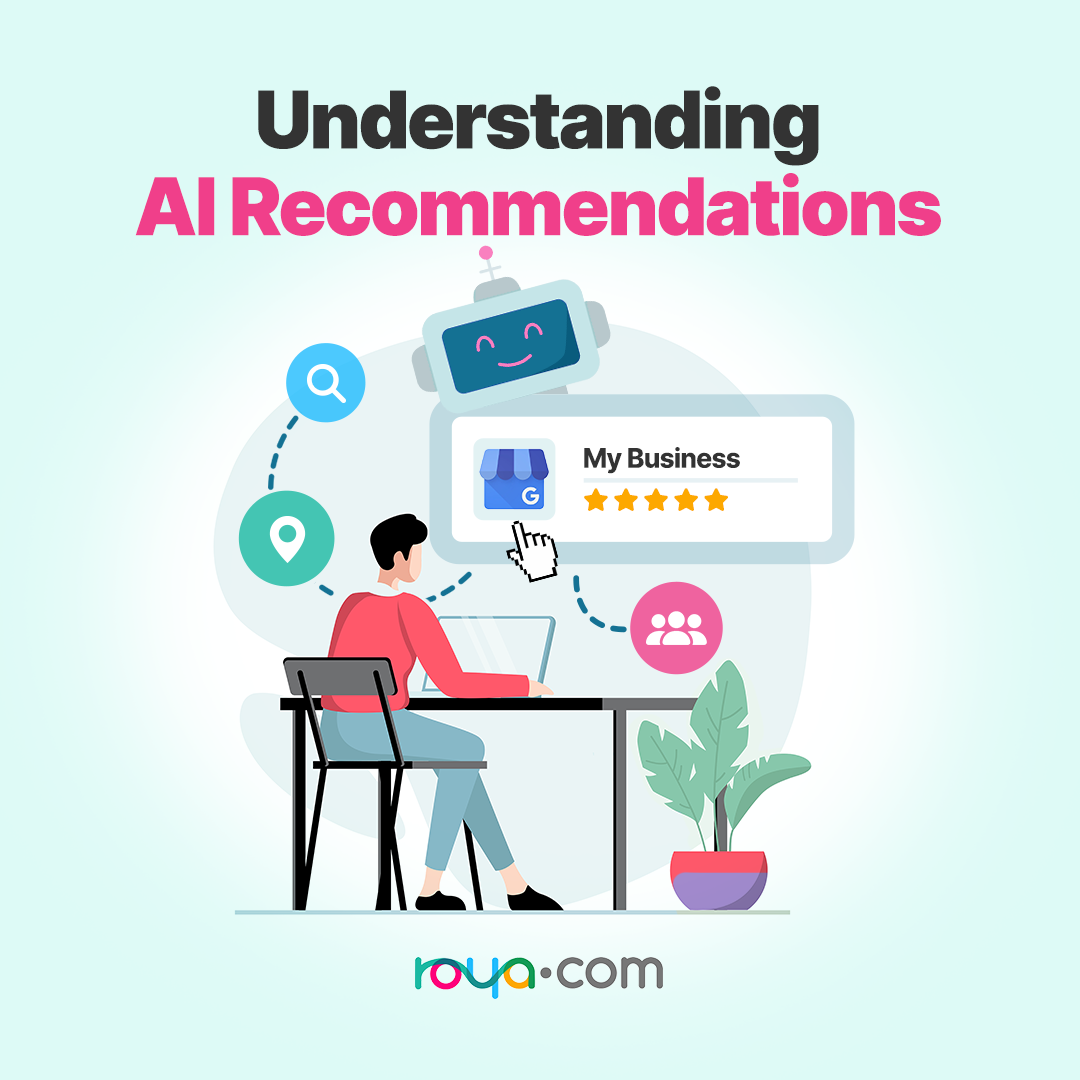

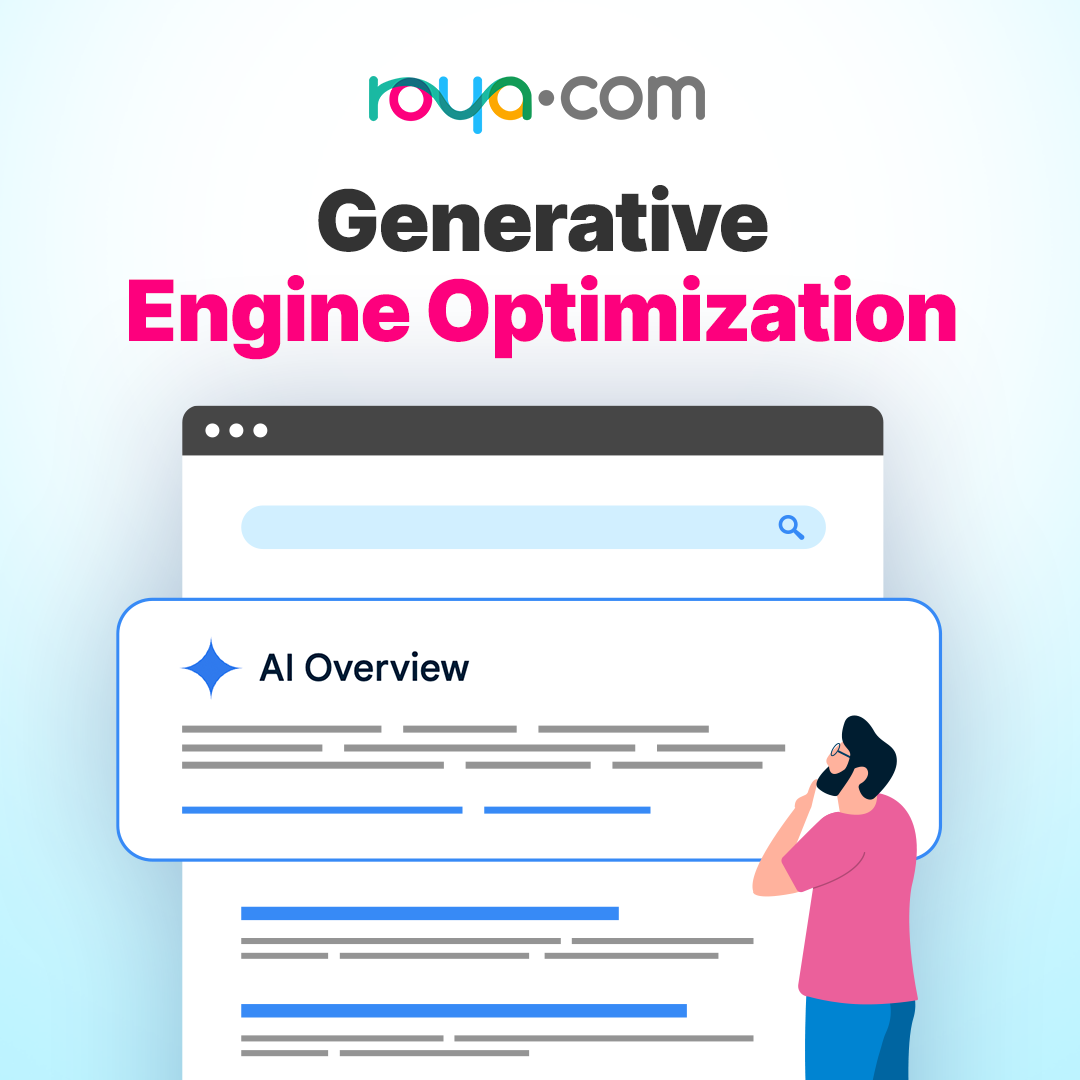
A wave of recent digital marketing media has started to declare that "SEO is dead". With the meteoric rise of generative AI platforms like ChatGPT, Gemini, and Google’s AI Overviews, critics argue that the traditional search bar is obsolete.
If users can get immediate, synthesized answers without clicking on a single link, does optimizing your website for traditional SEO even matter anymore?
The short answer is a resounding: SEO is not dead. But it is undergoing the most significant evolution in its history. More importantly, the businesses currently winning the AI search game are discovering a critical truth: traditional SEO is the exact foundation you need to build on to be visible in AI search.
FAQ: Debunking the "SEO is Dead" Myth
Q: Why do people say SEO Is Dead?
A: This misconception is fueled by the rise of "zero-click" searches with AI. When Google displays an AI Overview at the top of the page, users often find their answers immediately without clicking through to a website. Many businesses are seeing their raw traffic decline and assume their SEO has failed. When in reality, the type of traffic is simply shifting toward higher-intent, more qualified users.
Q: What is Generative Engine Optimization (GEO)?
A: GEO is the practice of structuring and optimizing your website content so that AI search models (like ChatGPT, Claude, and Gemini) can easily understand, trust, cite, and recommend your brand in their generated responses.

The Truth: AI Engines Rely on Traditional SEO
Large language models (LLMs) are incredibly smart, but they don’t have innate knowledge (yet). In order to generate accurate, up-to-date responses, AI platforms use a technique called Retrieval-Augmented Generation (RAG).
Before an AI engine can synthesize an answer for a user, it crawls the entire web to find credible, real-time data sources. Where does it find those sources? It pulls them directly from sources like Google’s traditional search index.
Data shows that roughly 69% of URLs cited in Google AI Overviews also rank in the top 100 organic search results. In other words: If you do not have a rock-solid traditional SEO foundation, your practice is less likely to be recommended by AI search engines.
3 Ways Traditional SEO Fuels Your AI Search Visibility
To win in the AI search market, you don’t need to throw out your old SEO playbook, you just need to reinforce it. Here are three traditional SEO pillars that directly power modern AI discovery:
1. Flawless Technical Architecture
AI web crawlers are highly systematic. If your website has broken pathways, slow load speeds, or poor mobile responsiveness, search bots will struggle to index your content.
Site Speed: AI models value efficiency. A faster-loading site gets crawled more frequently.
Sitemap Structure: Clean technical pathways allow bots to map and retrieve your site's information without wasting their crawl budget (time).
2. Structured Data (Schema Markup)
AI systems crave structured context. Traditional technical SEO utilizes backend code called JSON-LD schema markup. By applying schemas like LocalBusiness, Physician, or FAQPage, you translate your website into a universal database language that AI models can read, understand, and quote with confidence.
3. High-Authority, Expert Content (E-E-A-T)
Both Google's traditional search algorithm and generative engines heavily prioritize E-E-A-T: Experience, Expertise, Authoritativeness, and Trustworthiness.
AI platforms favor content that answers search intent directly and clearly.
By organizing your website into logical "topical clusters" (rather than just scattering keywords), you signal to search engines that you are a trusted authority in your specialty.
Q: Where should local businesses start for adapting their SEO strategy for AI?
A: Local businesses should start with ensuring that your Business Name, Address, and Phone Number (NAP) are identical across your website, Google Business Profile, and third-party directories. Consistently matching data across the web builds trust, making AI models far more likely to recommend your physical location.
Future-Proofing Your Digital Front Door
From maximizing website speeds to implementing advanced schema and custom llms.txt files, there are a variety of best practices available to remain highly visible to both traditional searchers and conversational AI models.
Ready to Build a Search-Resilient Online Strategy?
The search landscape is changing fast, but your business doesn’t have to get left behind. Let our team of digital marketing and GEO experts audit your website’s SEO foundation to prepare your business for the AI generation.