By now, you’ve probably heard dozens of conflicting theories about AI search and how to get your business listed by tools like ChatGPT, Google Gemini, or Google AI Overviews for direct recommendations.
You don't need another lecture on why AI search is taking over or another vague list of marketing trends. You need to know what actually works right now to get your practice cited when a patient asks AI for a local recommendation.
Generative Engine Optimization (GEO) isn't magic, and it isn't about guessing an algorithm's secret thoughts. It comes down to structured data, specific writing, and verifiable local authority. Here are five concrete, actionable steps to make sure AI engines recommend your business.
FAQ: Winning AI Recommendations
Q: How do AI models decide which local businesses to recommend?
A: AI models recommend businesses they can verify as reliable and authoritative. To do this, they rely on Retrieval-Augmented Generation (RAG) to scan the entire internet in real-time. They evaluate structured website code (schema), third-party business directories, recent patient reviews, and your website content to determine if your practice is authoritative and reliable enough to suggest.
Q: Do I need to throw out my existing SEO strategy for GEO?
A: No. GEO does not replace local SEO; it builds directly on top of it. Traditional local SEO provides the core trust signals (accurate citations, healthy website fundamentals, Google Business Profile) that AI engines evaluate before they ever recommend a business.
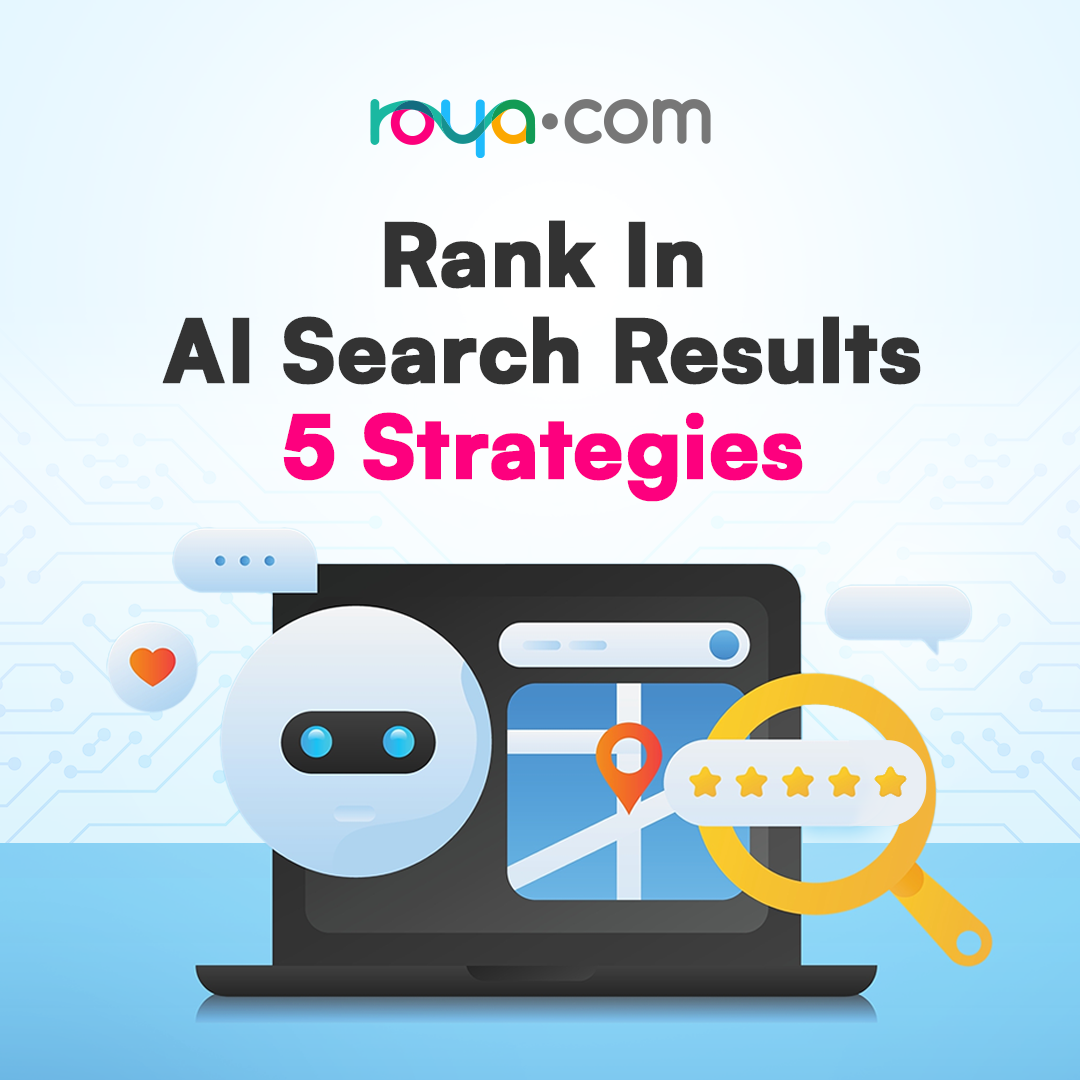
5 Actionable Steps to Get AI to Recommend Your Practice
1. Structure Your Website Code for AI Crawlers
AI engines need clean, structured data to understand exactly what services you offer and where you operate.
Implement Schema Markup: Inject backend code like LocalBusiness, DentalClinic, or MedicalClinic schema into your site so AI crawlers immediately verify your address, phone number, and service areas.
Add an llms.txt File: Include a standardized llms.txt file in your root website directory to provide LLMs (like ChatGPT and Gemini) with a clean, markdown-formatted summary of your practice credentials and services.
2. Format Website Content in Conversational Q&A Blocks
AI platforms are trained on natural language conversations. If your website only contains generic marketing keyword slogans, AI engines won’t easily extract the specific answers it’s looking for.
Header Queries: Use subheadings (H2 or H3) formatted as direct questions your patients actually ask ("What is the recovery time for dental implants?").
Direct Answer Blocks: Follow subheadings with a concise 2-to-3 sentence answer. AI models love to extract these succinct answer blocks directly into conversational responses.
3. Maintain Complete NAP Consistency Across the Web
Before an AI engine risks recommending your business to a user, it cross-references your Name, Address, and Phone Number (NAP) across multiple third-party databases.
Audit Directory Listings: Ensure your Google Business Profile, Apple Maps, Yelp, and healthcare directories feature identical business details.
Fix Discrepancies: Mismatched suite numbers or outdated phone numbers lower an AI's confidence in your business data, likely causing it to recommend a competitor instead.
4. Build a Steady Stream of Detailed Patient Reviews
AI search models pay close attention to review sentiment, recency, and specific keyword mentions.
Encourage Specific Feedback: Ask satisfied patients to mention specific treatments or doctors in their reviews ("Dr. Smith made my Invisalign treatment completely painless").
Respond to Google Reviews: Active review management signals to both search algorithms and AI systems that your practice is operational and highly attentive.
5. Ensure Fast Mobile Page Speeds & Clean Code
AI web bots operate on limited crawling resources. If your website takes too long to load or relies on heavy, unoptimized code, AI crawlers will move on.
Aim for sub-two-second page load times on mobile devices.
Use clean, semantic HTML structure to keep your main service copy readable and easily parsed.
Traditional SEO vs. AI Search Optimization (GEO)
Traditional Local SEO
Primary Target: Google Search results pages and local map packs.
Goal: Rank in top positions for specific local keyword phrases.
User Experience: Searcher clicks an organic website link to browse options.
AI Search Optimization (GEO)
Primary Target: ChatGPT, Google AI Overviews, Gemini, and Apple Intelligence.
Goal: Be cited as the primary recommended solution inside a synthesized answer.
User Experience: Searcher receives a curated recommendation and calls or books directly.
Common Mistakes That Keep You Hidden From AI
Relying on Generic Website Templates: Cheap, bloated theme templates hide key clinical facts behind messy code, making it difficult for AI engines to index your content.
Publishing Thin, Vague Content: Websites without detailed service descriptions or clinical FAQs give AI engines very little substance to cite.
Ignoring Local Citation Management: Leaving old office addresses or incorrect hours on local business directories creates data conflicts that scare off AI recommendations.

Q: How can I test if AI currently recommends my business?
A: Open ChatGPT, Gemini, or Google AI Overviews and type conversational prompts your prospective patients would use ("Who are the best clear aligner providers in [Your City]?"). Track whether your practice is mentioned, which competitors appear, and what web sources the AI cites.
Get Your Practice AI-Ready with Roya’s Canvas® Platform
Adapting your practice for AI search shouldn't require you to learn backend programming or rewrite every page on your site.
At Roya.com, we build custom-coded websites engineered specifically for both traditional search engines and Generative Engine Optimization (GEO).
Multi-Layered Schema: With our content packages, we inject structured data across every service page so AI platforms can read, index, and cite your business with complete accuracy.
Native AMP Mobile Speed: Delivers sub-two-second load times on mobile devices to satisfy AI crawler requirements and keep bounce rates low.
Comprehensive Lead Tracking: Monitors online web forms and recorded phone calls from a single transparent dashboard.
Best of all, we believe in complete client sovereignty: following your initial contract with Roya, your practice retains 100% full ownership of your custom website design and digital assets.
Ready to Win Recommendations in AI Search Results?
Don't let outdated web infrastructure make your practice invisible to modern AI search tools. Let our team of digital marketing and web development experts run a comprehensive audit on your site's GEO and AI search readiness today.