

Unlike traditional pay-per-click (PPC) ads where you pay for website visits, Google Local Services Ads (LSAs) operate on a pay-per-lead model, meaning you traditionally only paid when a prospective patient reached out directly with a qualified call.
However, Google is rolling out a major update to its lead-charging policy. Starting October 1, 2026, Google is altering how missed phone calls and follow-up interactions are classified and billed. If your front desk misses an incoming call during business hours, your practice could still be charged for that lead.
FAQ: Google’s LSA Lead Charge Policy Update
Q: Will Google charge my practice for missed LSA phone calls?
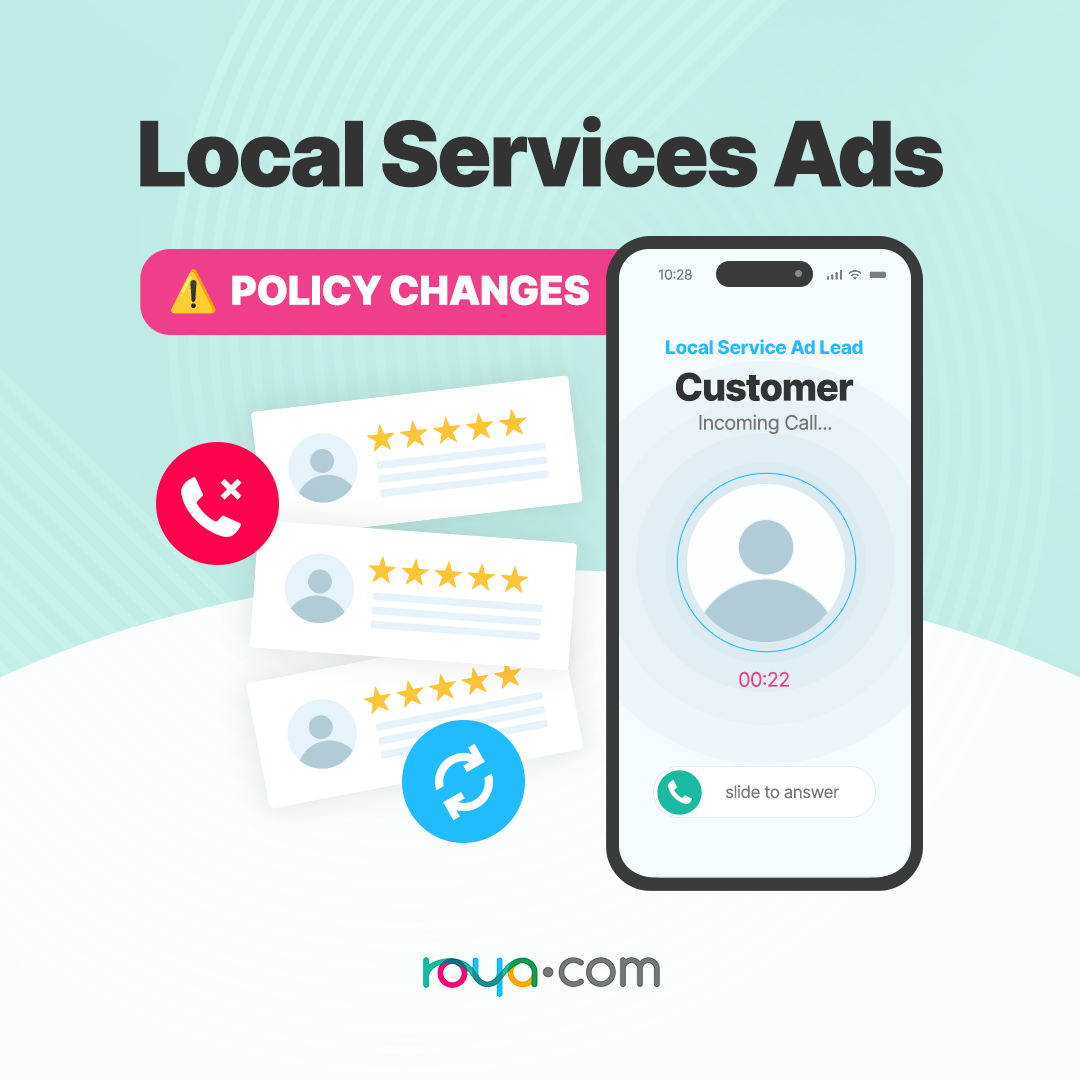
A: Yes. Under the new policy, if a caller reaches your practice through a Local Services Ad during your published business hours and stays on the line for more than 20 seconds without being answered, Google may classify that missed call as a valid lead and charge your account.
Q: Why is Google changing its LSA lead-charging rules?
A: Google states that this update encourages businesses to deliver better responsiveness to consumers. Because searchers expect immediate connections with local professionals, Google is using this policy to reward responsive accounts while discouraging practices from advertising during hours they can’t answer.
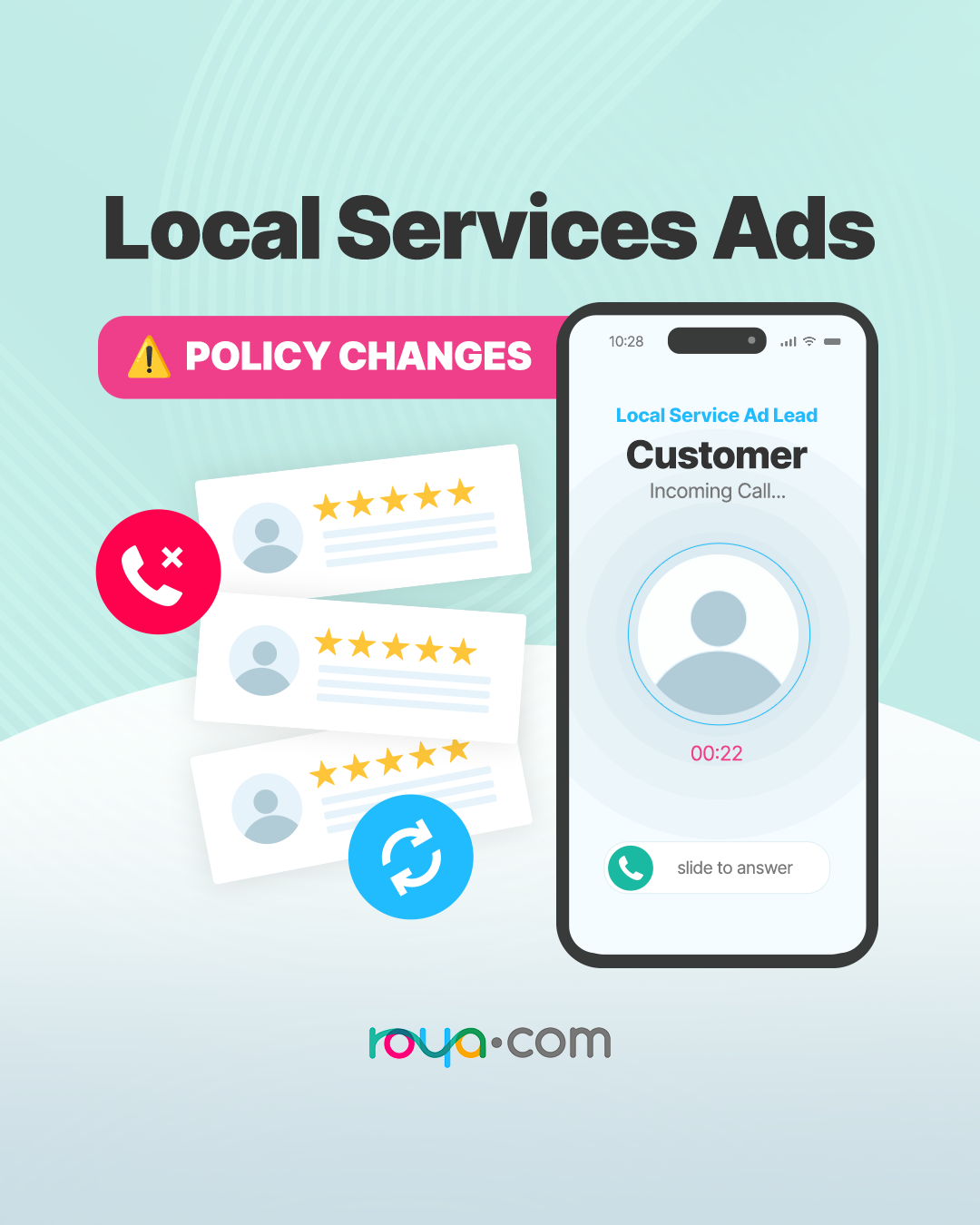
3 Core Changes Coming to Google Local Services Ads
1. The "20-Second" Missed Call Rule
Under the previous framework, most unanswered phone calls were filtered out and not billed as valid leads.
The New Standard: If an inbound call rings during your advertised office hours and the caller remains on the line past 20 seconds without an answer, it counts as a billable lead.
The Phone-Tree Exception: If your office uses an automated phone tree (“Press 1 for Scheduling"), the 20-second timer does not start until the caller presses a key. If the caller hangs up before making a selection, your practice is not charged.
2. Follow-Up Call Charges
Previously, repeat interactions within a short window were generally bundled into the initial lead.
The New Standard: If a prospective patient’s initial call did not qualify as a charged lead (for instance, if they hung up after 10 seconds), any follow-up call within a 15-day window that meets valid lead criteria will now be billed.
You will only be billed once for follow-up interactions occurring within that 15-day window.
3. Spam & Bot Protections
To address concerns regarding automated sales calls and robocalls, Google announced updated backend safeguards designed to limit spam call abuse. However, practices must stay vigilant and monitor lead logs to dispute non-patient spam calls promptly.

How to Prepare Your Practice Before the October Deadline
To prevent wasted ad spend and ensure your LSA campaigns remain cost-effective, take these operational steps immediately:
Audit Your Stated Business Hours
Ensure your published LSA schedule strictly aligns with when your front desk team actually answers the phone. If your staff goes on lunch from 12 PM to 1 PM or leaves early on Fridays, adjust your ad schedule accordingly so you aren't paying for unanswered calls.
Review Your Phone Tree Routing
If you use an automated answering service or phone system, make sure the routing prompt is quick and clear. An IVR system can protect you from immediate missed-call charges if callers drop off before pressing a option.
Is Your Practice Ready for Google's Policy Updates?
Don't let policy shifts drain your advertising budget. Let our team of digital marketing and ad management experts audit your LSA account and call handling performance today.