

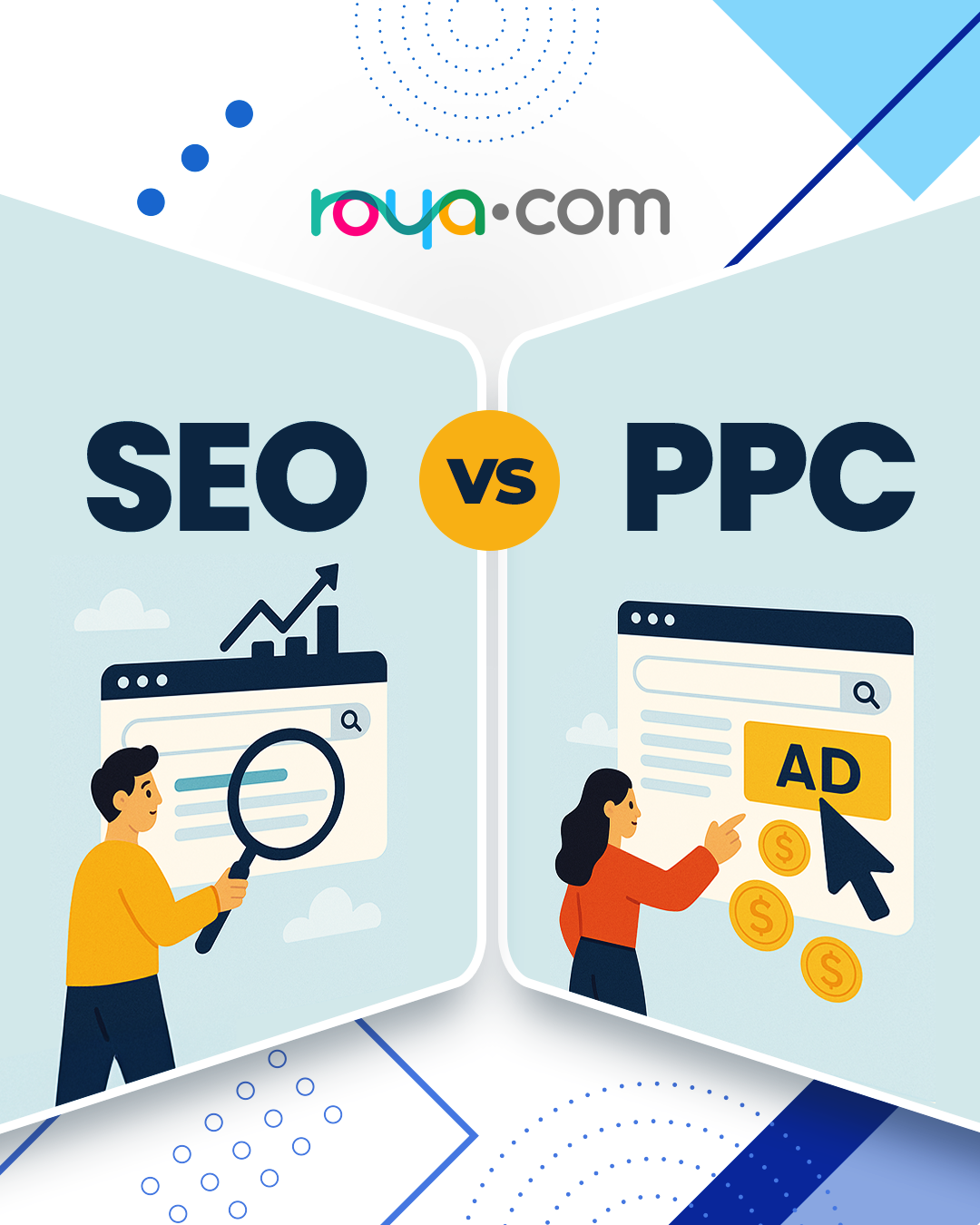
For dental practices aiming to grow, Google Ads is one of the most effective ways to fill chairs quickly. Whether you are a single practitioner in a rural area or managing a regional multi-location group, paid search offers the ability to bypass the wait for organic rankings and place your services directly in front of patients who are ready to book right now.
However, the question of how much to spend is rarely a simple one. An effective budget is not just about the dollars you put in, but about the specific dental services you are targeting, and the expertise behind the campaign management.
Setting a Realistic PPC Budget for Your Market
One of the biggest misconceptions in dental marketing is that you need a massive budget to see results. The truth is that your ad spend should be determined by your local competition and your specific dental practice goals.
For Small Markets or Testing Phase
If you are a single-location practice in a less competitive rural area, or if you simply want to test the waters, a starting budget of 500 to 1,000 dollars per month can be very effective. This allows you to gather data and see which services attract the most clicks without a massive initial investment.
The Competitive Suburban Model
For practices in more populated areas with several competitors nearby, a monthly budget of 1,500 to 3,000 dollars is often the sweet spot. This provides enough volume to maintain a consistent presence throughout the day.
For High-Growth or Multi-Location Dental Practices
Regional groups or practices looking to dominate a large metropolitan market often spend at least 3,000 dollars or more. This level of spend is designed to capture high-value leads across multiple zip codes and procedures simultaneously.
Regardless of the amount, the goal is to ensure your return on investment (ROI) justifies the spend.
Cost vs. Value: Advertising Specific Dental Services
Not all dental keywords are created equal. The amount you spend per click depends heavily on the service you are trying to promote. Understanding the balance between Cost Per Click (CPC) and potential ROI is essential for a healthy budget.
High-Value Specialty Services
Campaigns for dental implants, full-mouth reconstructions, or Invisalign are typically much more competitive. Because these procedures represent significant revenue for a practice, the CPC can be quite high. However, even with a higher cost to acquire the lead, the ROI is often much greater due to the lifetime value of the patient and the high procedure cost.
Routine and General Dentistry
Campaigns for "dentist near me," "teeth cleaning," or "emergency dental" usually have a lower CPC. These are excellent for building a patient base and filling up the appointment schedule. While the immediate ROI of a cleaning might be lower than an implant, these patients can often become long-term patients who can eventually come in for higher-value treatments.

Why Technical Foundation and Design Matter
It is a common mistake to view Google Ads in a vacuum. In reality, the success of your paid campaign is dictated by your website design and technical foundation.
Google uses a Quality Score to determine your ad rank and cost. If your website is slow, difficult to navigate on a phone, or has a confusing design, your ads will be more expensive and less effective. A custom website design ensures that when a patient clicks your ad, they are directed to a specific landing page that loads instantly and guides them effortlessly toward booking an appointment.
Investing in a strong technical foundation for your website, alongside traditional SEO and AI search optimization, is the most effective way to lower your advertising overhead. A site that is technically sound makes it easier for search algorithms to verify your practice as a legitimate, authoritative dental practice.
Building Your Data-Driven Ad Budget
Determining your budget starts with extensive keyword research to identify what patients in your specific zip codes are actually searching for. By analyzing the average CPC for your local market, we can move away from guesswork and toward a mathematical model for growth. If you are ready to set a budget that reflects your practice goals, consider these steps:
Identify Keywords & CPC: A marketing strategist uses tools to look at the historical cost of keywords in your specific town or city. The cost for a click in a busy city center will differ significantly from a rural town, and knowing these averages allows you to set a budget that actually competes for the top spot.
Assess Search Volume: Keyword research reveals how many people are searching for specific services each month. If 500 people in your area are searching for "dental implants" with an average CPC of $ 8, you can estimate the spend needed to capture a meaningful share of that traffic.
Align Your Organic Strategies: This research should also inform your traditional SEO and AI search optimization efforts. By identifying which expensive keywords are driving the most calls, you can prioritize creating organic content for those topics to build long-term organic rankings and traffic.
Audit Your Landing Pages: Before spending a dollar on ads, ensure your website design is optimized for conversions and loads quickly.
Plan for Professional Management: Factor in the value of professional management. An experienced marketing strategist can save you more in wasted ad spend than the cost of their services.
A well-planned Google Ads budget is an investment in your practice's growth. When supported by a fast website and expert strategy, it becomes a predictable engine for new patient acquisition.

The Role of a Marketing Strategist in Your Marketing Success
Running a successful Google Ads campaign is not a "set it and forget it" task. Working with a dedicated marketing strategist ensures your budget is being used efficiently rather than being wasted on irrelevant traffic. When you partner with a marketing professional, you can expect:
Extensive Keyword Research: A strategist identifies the exact terms your potential patients are using, focusing on high-intent keywords that lead to actual bookings.
Negative Keyword Management: This is the process of telling Google which terms not to show your ads for, preventing you from paying for clicks from people looking for "free dental clinics" or "dental schools."
Conversion Tracking and Optimization: A strategist monitors which ads lead to phone calls or form submissions, constantly shifting your budget toward the best-performing campaigns.
Ad Copywriting and A/B Testing: Marketing professionals write compelling ad copy that speaks to patient pain points and test different versions to see which ones get the best response.
Are you wondering if your current ad spend is being maximized for your specific market? Roya.com can perform a comprehensive audit of your local market, your current website, and your current campaigns to help you find the perfect balance.