

For the past twenty years, the goal of digital marketing has been pretty straightforward: get to the top of Google’s search engine results page (SERP). If you were a local dental practice or eye care center, success meant ranking in top of 3, or in the local map pack, for search terms like "dentist near me" or "best optometrist nearby."
This is achieved through traditional Search Engine Optimization (SEO): optimizing keywords, managing local business listings, and building a technically sound website that loads quickly. But if you’ve googled a problem-solving question recently, you know that everything is starting to change.
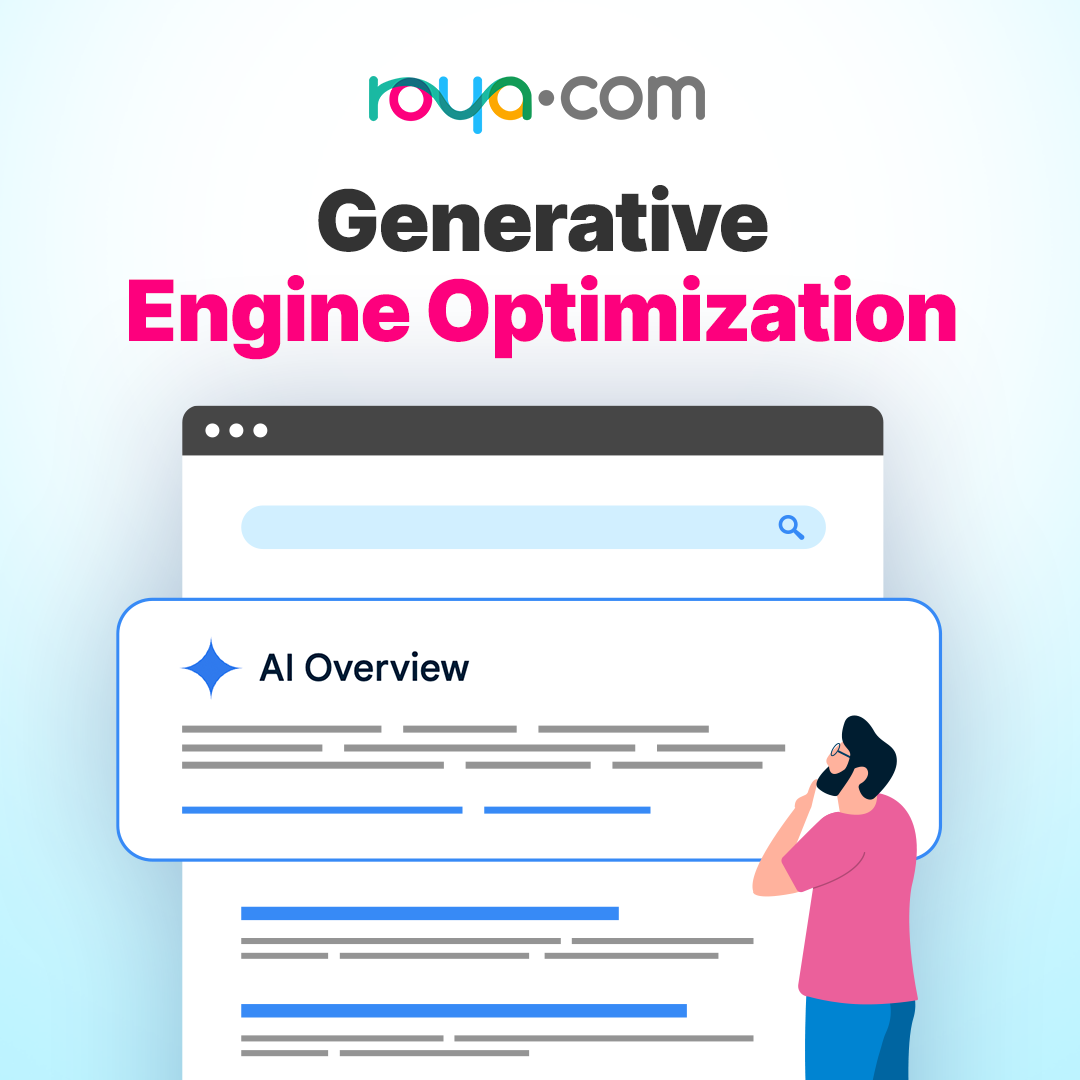
Now, the SERP is no longer just a list of links; it’s usually a comprehensive, AI-generated answer known as an AI Overview (formerly the Search Generative Experience, or SGE). Users are asking complex, conversational questions and getting instant answers without ever clicking a link. This big market shift requires a big new strategy for local businesses. Welcome to the era of Generative Engine Optimization (GEO).
Here is a breakdown of GEO vs. SEO, and why shifting your mindset to this new market reality is essential for the future of your digital marketing and the health of your business.
Defining SEO and GEO
To help us understand where we’re going, let's break down the exact difference between these two distinct approaches.
Traditional SEO (Search Engine Optimization) SEO is the practice of improving a website to increase its visibility for relevant searches. The primary goal is to rank high in traditional organic search results to drive traffic to your website. It relies heavily on keyword research & placement, technical site health, and properly managing local listings, like your Google Business Profile.
GEO (Generative Engine Optimization) GEO is the process of creating and structuring content specifically so that generative AI models, like Google's Gemini, ChatGPT, and Microsoft’s Copilot, can easily understand, extract, and summarize it. The goal isn’t necessarily to get a click; the goal is to be cited by the AI model as a definitive, reputable source of truth within its generated answer.
In short, SEO is about convincing a machine to rank your link. GEO is about convincing an AI model to endorse your content.

The Core Differences Between SEO & GEO
While traditional SEO includes providing the necessary technical foundation for a website, GEO requires a different approach to content and authority.
1. From Keywords to Conversational Intent
The SEO Approach: You targeted exact-match keywords like "teeth whitening cost." You placed this keyword in your title tag, headers, and body copy a specific number of times.
The GEO Approach: AI models understand nuance. They are looking for the intent behind a conversational query like, "Is professional teeth whitening worth it for sensitive teeth?" Your content needs to answer this specific, complex question directly and comprehensively, using natural language rather than stuffed keywords.
2. From Popularity to E-E-A-T
The SEO Approach: The more traffic you got, or websites that linked to yours, the more "popular" Google considered you, and the higher you ranked.
The GEO Approach: AI models, especially in healthcare verticals like eye care and dentistry, prioritize credible information. They rely heavily on Google's E-E-A-T guidelines (Experience, Expertise, Authoritativeness, and Trustworthiness). An article published by a credentialed doctor, citing accurate data, featuring patient case studies, or comprehensively detailing a subject signals the high level of trust the AI requires to cite a source.
3. From "Crawling" to "Structuring"
The SEO Approach: Google's bots would "read" or “crawl” your page to understand the topic.
The GEO Approach: AI models need to digest information rapidly to synthesize an answer in milliseconds. GEO relies heavily on structured data (Schema markup) and very clear formatting. Using concise headers formatted as questions, followed immediately by direct answers, allows the AI to easily "grab" the information it needs to fulfill a user request.
Why GEO is the Inevitable Future
Why is Generative Engine Optimization the future of digital marketing? Because human behavior is changing rapidly.
Users are discovering that they do not have to sift through five different websites to piece together an answer about dental implants or LASIK candidacy. They can ask an AI and get a summarized, accurate response instantly.
If your practice's content is not optimized for these AI models, you’re not just missing out on a few internet users; you’ll become invisible to the growing majority of users who will rely on these zero-click searches.
How Do I Optimize My Website for AI Search and GEO?
To stay visible in an era where AI synthesizes answers, your website must serve as a structured database of expertise. If you are wondering what practical steps you can take today to improve your AI search optimization, follow this strategic checklist:
Adopt an Answer-First Content Structure: When addressing common customer questions, provide a clear and direct answer in the first two sentences. AI models prioritize these concise "micro-answers" for their summaries.
Implement Comprehensive Schema Markup: Use technical structured data, specifically LocalBusiness, FAQPage, and Service schema, to give AI a machine-readable map of your business facts, such as location, pricing, and specific offerings.
Format for Structure: Use a clear hierarchy of H2 and H3 headings. Break complex information into bulleted lists and short, declarative sentences. This approach makes it easier for generative engines to cite your content.
Prioritize Local SEO Best Practices: Ensure that your business name, address, and phone number are identical across your website, social profiles, and local directories. AI models use this consistency to verify your business as a legitimate local entity.
By following these steps, you can shift your website from a passive player to an active participant in the new AI search ecosystem.
Traditional SEO Is Still Important
It is crucial to understand that this is not an "either/or" situation. Traditional technical SEO, like having a fast, mobile-friendly, secure website, is still the price of entry. If Google cannot crawl your site efficiently, its AI model certainly cannot learn from it.
GEO is the evolution layered on top of that foundation. It is the strategy that turns a technically sound website into an authoritative, AI-ready resource. The businesses that win in the next five years will be those that stop chasing algorithms and start providing the depth, expertise, and structure that the new AI search algorithms demand.
If you’re not sure where to start, talk to the Google-certified marketing experts at Roya.com. You can start with a detailed audit of your current website visibility and learn how to build a comprehensive online marketing strategy from the ground up.