Digital marketing technology and services leader, Roya.com, is excited to announce the launch of their review and reputation marketing platform, Canvas® Score. Canvas® Score provides clients the convenience of a mobile app and web application, independent of the existing Canvas® CMS platform.
What Is Canvas® Score?
Canvas® Score is more than a reputation management tool; it’s a growth engine. Canvas® Score harnesses intelligent automation to generate reviews, launch custom referral campaigns, and track customer sentiment, all within a single platform, built to convert your good reputation into new customers and revenue.
The Problem We’re Solving With Canvas® Score
For most local businesses, reputation drives revenue. The problem? Managing your reputation; from collecting reviews, to encouraging referrals, and evaluating insights from customer feedback, is often disorganized and time-consuming.
At Roya.com, we’ve seen local businesses struggle with outdated CRM’s and lost spreadsheets, time wasted with manual follow-ups, and missed opportunities to turn happy customers into new customer referrals. That’s why we’ve built Canvas® Score, to give businesses a smarter, more streamlined way to grow and manage their reviews and referrals.
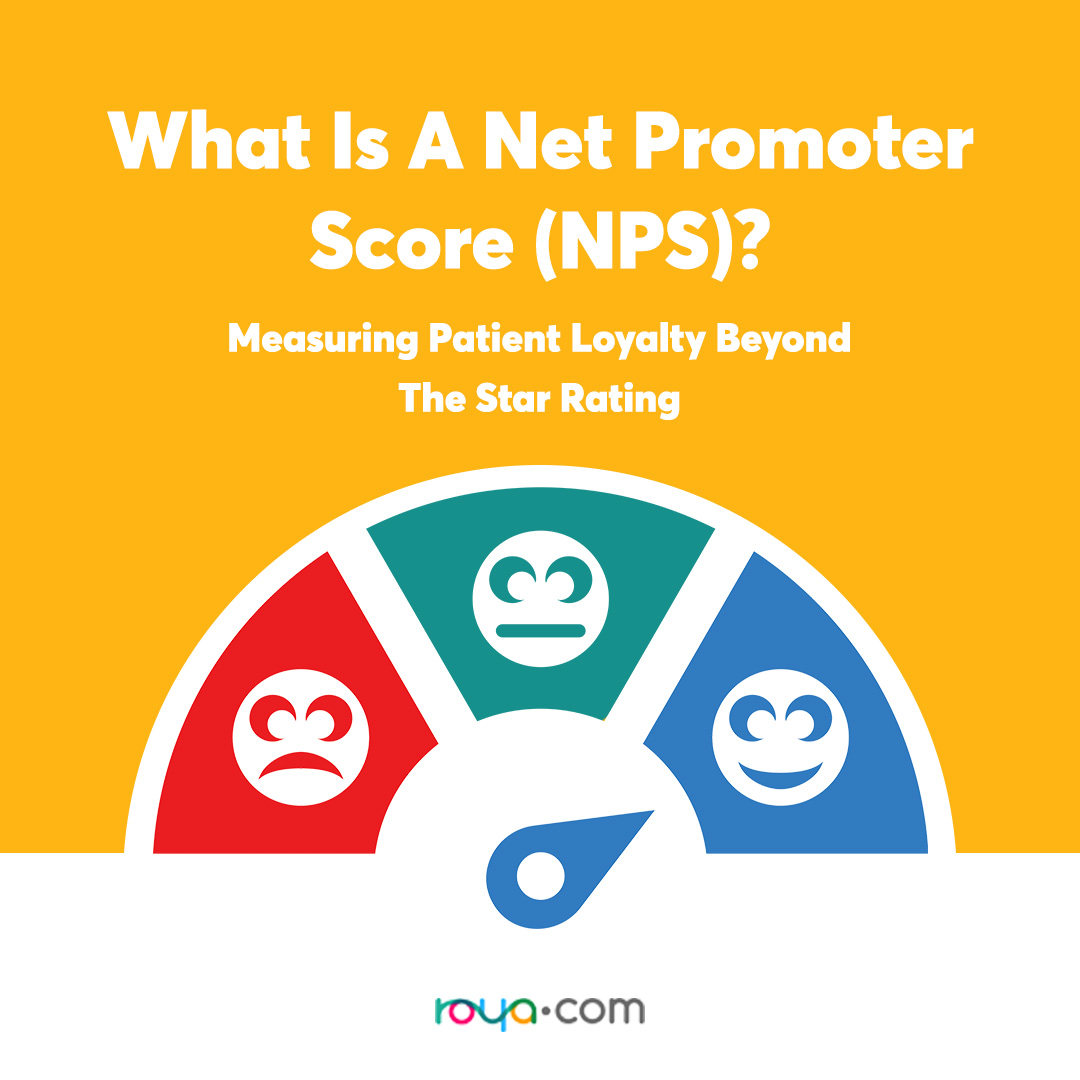
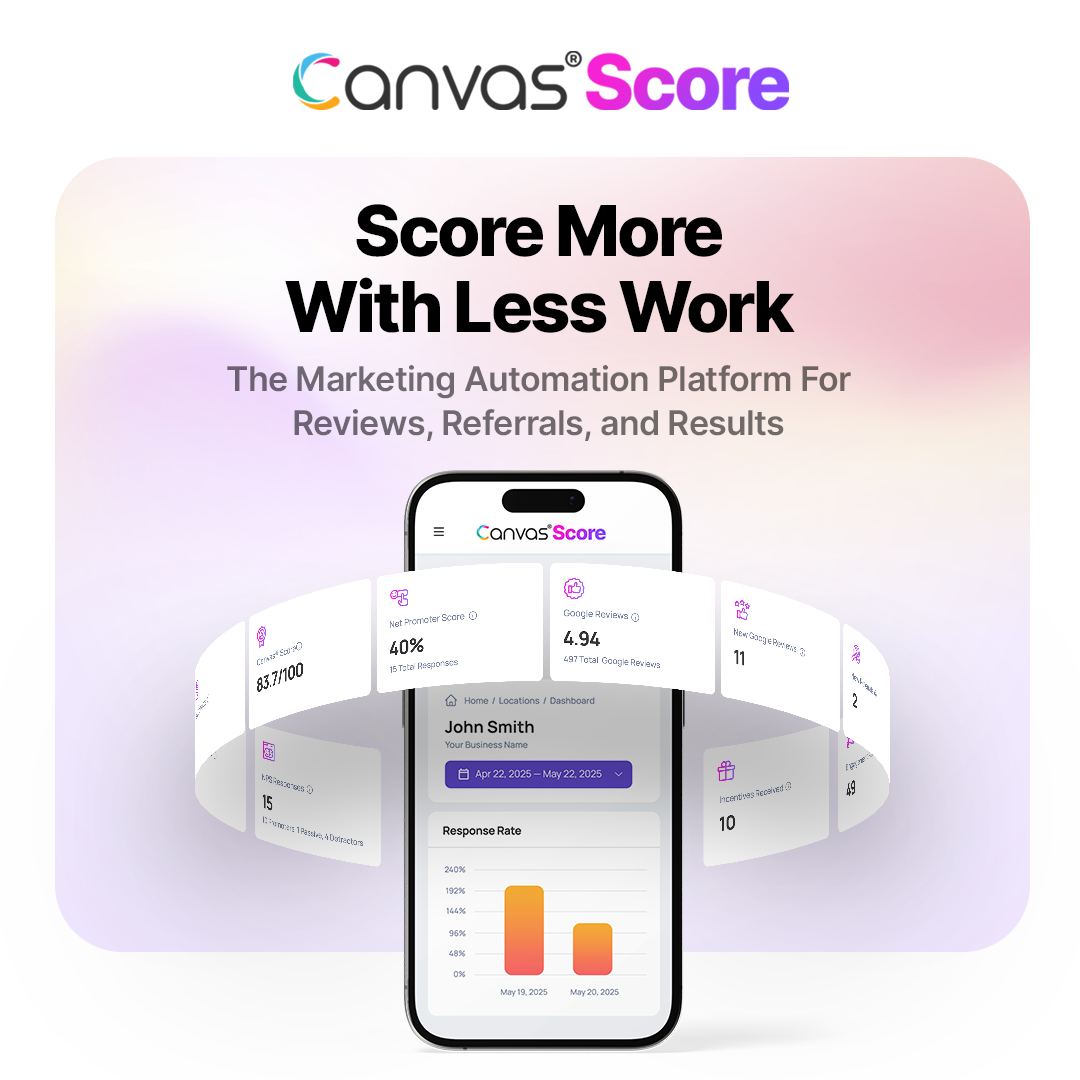
Canvas® Score brings everything under one platform: customer contact lists (with optional CRM / EHR integration), custom review and referral campaigns, personalized outreach, and a real-time dashboard that tracks your Net Promoter Score (NPS), customer sentiment, and more. Our goal wasn’t just to create another marketing tool, we wanted to build a platform that helps businesses actually understand and amplify what their happiest customers are already saying about them.
Key Features
Canvas® Score combines powerful automation with intuitive design to help local businesses build trust, drive growth, and grow from their own reputation.
Check out the key features that make Canvas® Score stand out:
Automated Review Collection & Seamless Reputation Management
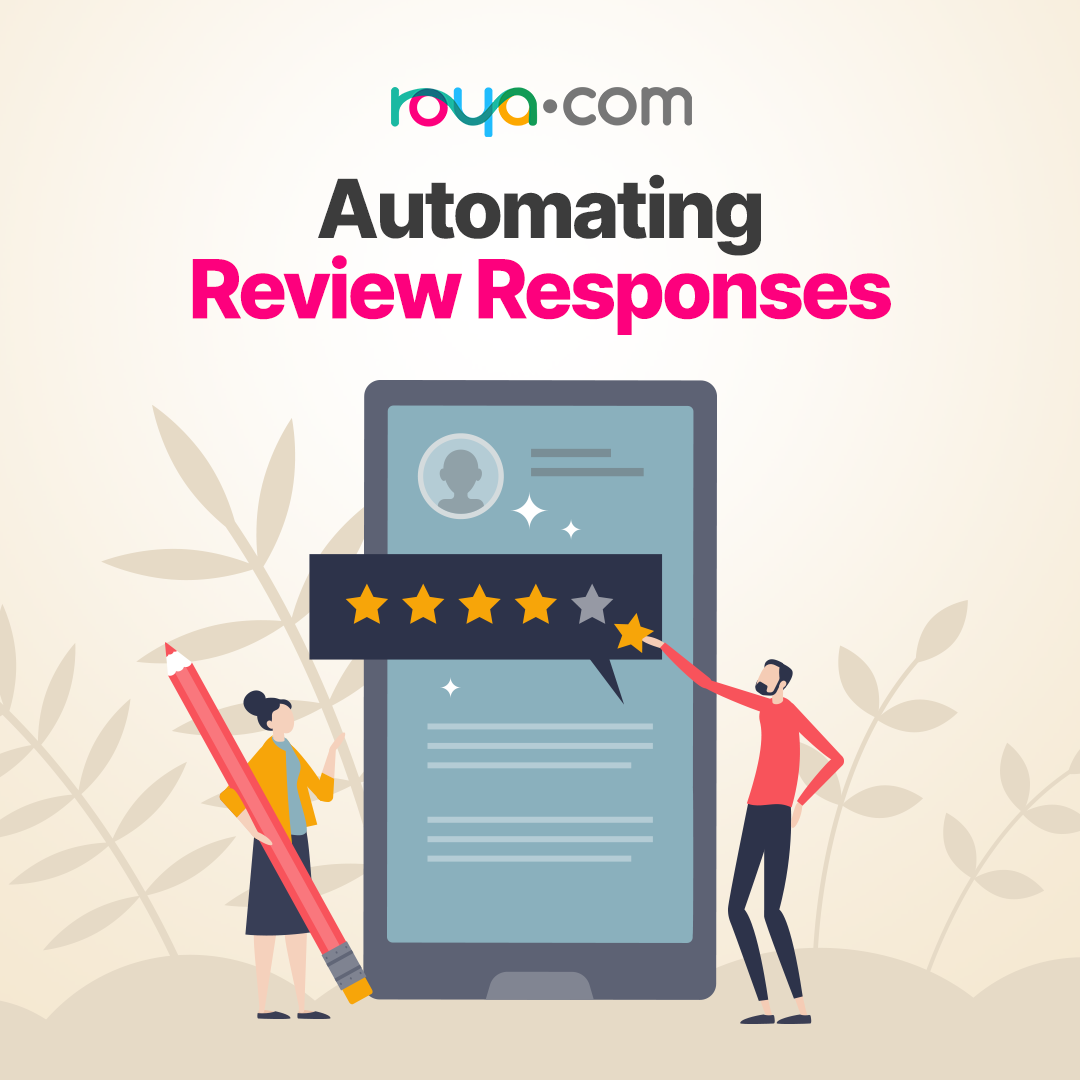
With Canvas® Score, you can import and tag your contact lists or connect your CRM to send review requests automatically via email or SMS. These messages have best practice copy built in, but can also be customized for your business, so your outreach and brand can match. Our AI-powered response generator helps you reply to reviews quickly and authentically, no templates, just natural, personalized responses that save you time and make your customers feel valued.
Referral Campaigns That Drive Growth
With Canvas® Score, identify your happiest customers, your promoters, and encourage them to refer friends and family through automated referral campaigns including optional incentives like gift cards, discounts, or in-practice rewards. Your promoters can generate predictable, organic leads without relying on paid ads.
Intelligence Dashboard: Your Reputation, Visualized
The Canvas® Score dashboard brings your Google reviews, overall review sentiment, referral activity, NPS data, and so much more, all together in one intuitive dashboard. No more digging through different tools, easily identify how your reputation is trending at a glance and track patient loyalty over time.
Integrations, Widgets & On-the-Go Mobile Access
Google Business Profile integrates natively into Canvas® Score not only for review generation and management, but also dynamic website widgets to showcase your latest reviews, so your website is always up to date with your recent reviews. Connect your CRM or EHR to Canvas® Score to enable automation for NPS, review and referral requests. With the Canvas® Score mobile app, you can manage your outreach and reputation from anywhere; whether you’re at the front desk or on the go.
Who Is Canvas® Score For?
If you have a google business profile, you are a candidate for Canvas® Score. If you’re spending too much time chasing down reviews, juggling spreadsheets, or missing out on referral opportunities from happy customers, Canvas® Score was made for you. Whether you're a single-location business or managing multiple locations, Canvas® Score can streamline all of your reputation management needs in one easy-to-use marketing platform.
It’s perfect for business owners, marketing managers, and office managers who want to save time, boost visibility, and turn customer satisfaction into predictable business growth.
Initial Feedback from Our Beta Users
Our early beta users are already experiencing the impact of Canvas® Score. Office managers have praised the AI-powered review response generator for helping them reply to customer feedback faster and more consistently, with personalized messages that feel authentic–not templated. Canvas® Score’s flexibility and simplicity also stand out from early feedback, with early users loving the level of customization available for text and email outreach. Setup has been quick and intuitive, with users setting up referral campaigns and uploading their contact lists with minimal effort. The ability to install review widgets and keep their sites updated with the latest positive reviews, without extra work, has made Canvas® Score a valuable addition to their daily workflow.
Get Started With Canvas® Score Today
Canvas® Score offers multiple subscription tiers. Choose between monthly or annual billing.
Start your free trial today to explore the plan that’s right for you.
(858) 281-2200
Email: support@canvasscore.com